Lifetime VPN Deals? Stop Dreaming. Why LetsVPN Still Offers 7-Day Plans.

2025-11-27

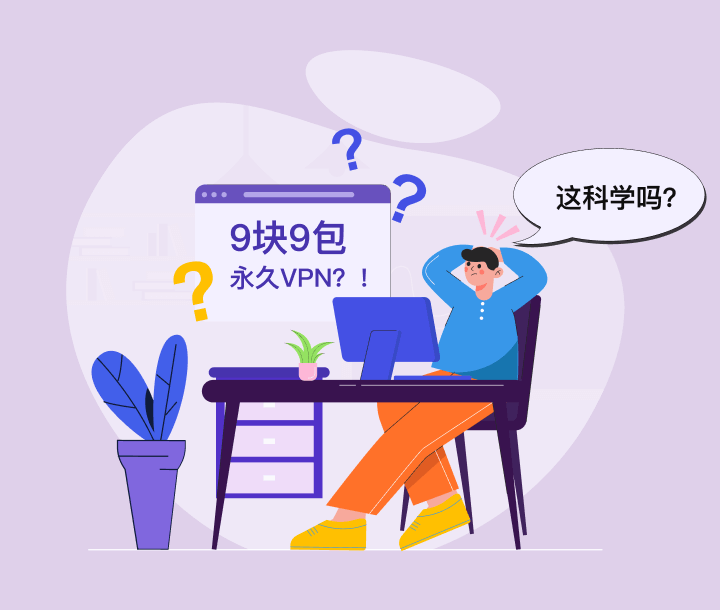
The VPN market has become a minefield of scams, flooded with "Lifetime Deals" and "Buy 1 Year Get 3 Free" offers. But strictly speaking, these offers violate basic business logic. VPNs have recurring server costs, meaning "Long-term Only" sellers are often running Ponzi schemes or planning an exit scam. This article peels back the curtain on why locking you into long contracts is a scammer's favorite tactic, and why services like LetsVPN—who boldly offer 7-day plans—demonstrate real confidence and reliability. Don't let greed for a "deal" turn you into a victim.

Have you noticed how getting online these days feels like walking through a minefield?

To solve the essential need of internet access, everyone has to hunt for a VPN tool. But the moment you search, you get slapped in the face with ads screaming:

  • "High speed & stable! Lifetime membership for only $29.99!"
  • "Pay once, update forever! Don't miss out!"
  • "Buy 3 years, get 2 years free!"
  • “Limited-time deal on China’s ‘best’ VPN!”

Looking at the cash in your wallet and comparing it to that "Lifetime VIP" offer, it’s tempting, right? The monthly subscription suddenly looks like highway robbery.

STOP. Keep your wallet closed.

As a veteran who has tested more VPNs than I can count, I need to douse you with some cold, hard truth:

VPNs that only sell long-term plans or aggressively push "Lifetime Deals" are 90% likely to be scams designed to take your money and run.

It sounds harsh, but it’s the truth. Let’s skip the tech jargon and talk about how money works.

1. "Charity" Violates Economic Laws

Here is the most basic logic you need to understand: Running a VPN is a capital-intensive service.

It's not like selling a single-player video game where you buy it once and the developer moves on. Behind every VPN service, there are servers globally and expensive bandwidth bills. Every second of data transfer, every 4K video you stream, costs the vendor real money.

If a vendor charges you $30 and promises you service for a "lifetime," ask yourself this: By year 3 or year 5, that $30 is long gone. How are they paying the monthly server bills?

Are they running a charity? Do they hate money?

There is only one possibility: It's a Ponzi Scheme. 。 They must constantly recruit new suckers to pay for the existing users. Once the new sign-ups can't cover the burning cash, or the owner decides they've made enough, they pull the plug instantly.

2. The Trap Behind "Long-Term Only"

If you look closely at those sketchy "fly-by-night" VPNs, they share a common trait: They hide or eliminate "Short-Term Plans."

Go to their checkout page. You'll likely see only "Annual," "3-Year," or "Lifetime" options. If you dig for a monthly plan, it's either hidden deeper than the Mariana Trench or priced ridiculously high—like $100 for a year but $50 for a month.

They are forcing you to think: "Only an idiot would buy the monthly plan; the annual one is such a steal!"

This is a psychological trap.

The seller knows their product is garbage. Maybe after two days, you realize the speed is snail-like, peak hours are unusable, or Netflix is blocked.

  • If you bought a monthly plan, you'd cancel next month. They only scam you once.
  • If you bought a 3-year plan, congratulations, they already have your money. They don't care if you use it.

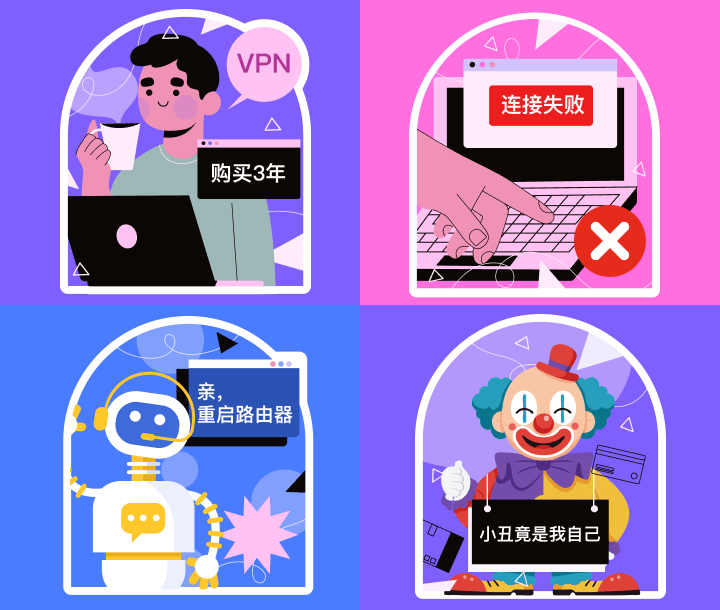
Try contacting support? Support: "Dear user, please restart your router." (Or worse, just a dead bot). Two months later, their website is down. You have officially become a victim of an "Exit Scam."

3. Real Confidence = Selling "Regret Medicine"

So, how do you judge if a VPN is trustworthy? Forget "Military-Grade Encryption" marketing fluff.

Look at one thing: Do they dare to sell short-term plans?

A provider confident in their tech and service isn't afraid of short-term users. They know that if you try it for a few days and it works, you'll renew, or even upgrade later because you trust them.

This is why products like LetsVPN stand out as somewhat of an anomaly in this chaotic market.

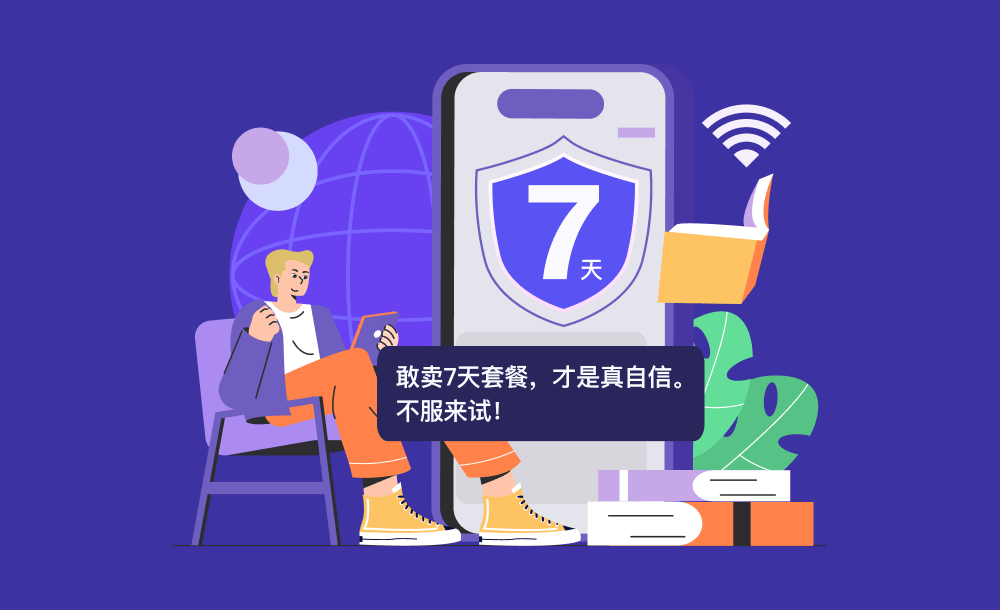
If you look at LetsVPN’s pricing, they consistently keep their 7-Day Plan front and center, and it’s priced reasonably, not designed to scare you away.

The logic here is bold: "I'll sell you 7 days. If it sucks, you leave next week, and I make no more money from you."

This business model forces the vendor to maintain line quality and speed constantly. If the service drops, the users disappear immediately. This attitude of "ready to be tested at any time" is what normal, healthy business logic looks like.

The Takeaway

Guys, we use VPNs to work, study, and watch videos, not to donate money to scammers.

When choosing a tool, don't be blinded by prices that "seem cheap in the long run."

Remember these three anti-scam rules:

1. Beware of "Lifetime/Forever":If you see these words, close the tab. Run.

2. Test Drive First:No matter how cheap the annual plan is, ALWAYS buy the shortest available plan first (e.g., 7 days or 1 month). If they don't sell short-term plans, they are hiding something.

3. Check Support:Message their support before buying. If they take forever to reply, keep your wallet closed.

A good VPN is defined by its service, not its ads. Don't let your hard-earned cash become a scammer's vacation fund.